Overcoming Language Barriers in Cross-Border Casino Payment Networks
Carlo Long · Nov 7, 2026
Overcoming Language Barriers in Cross-Border Casino Payment Networks
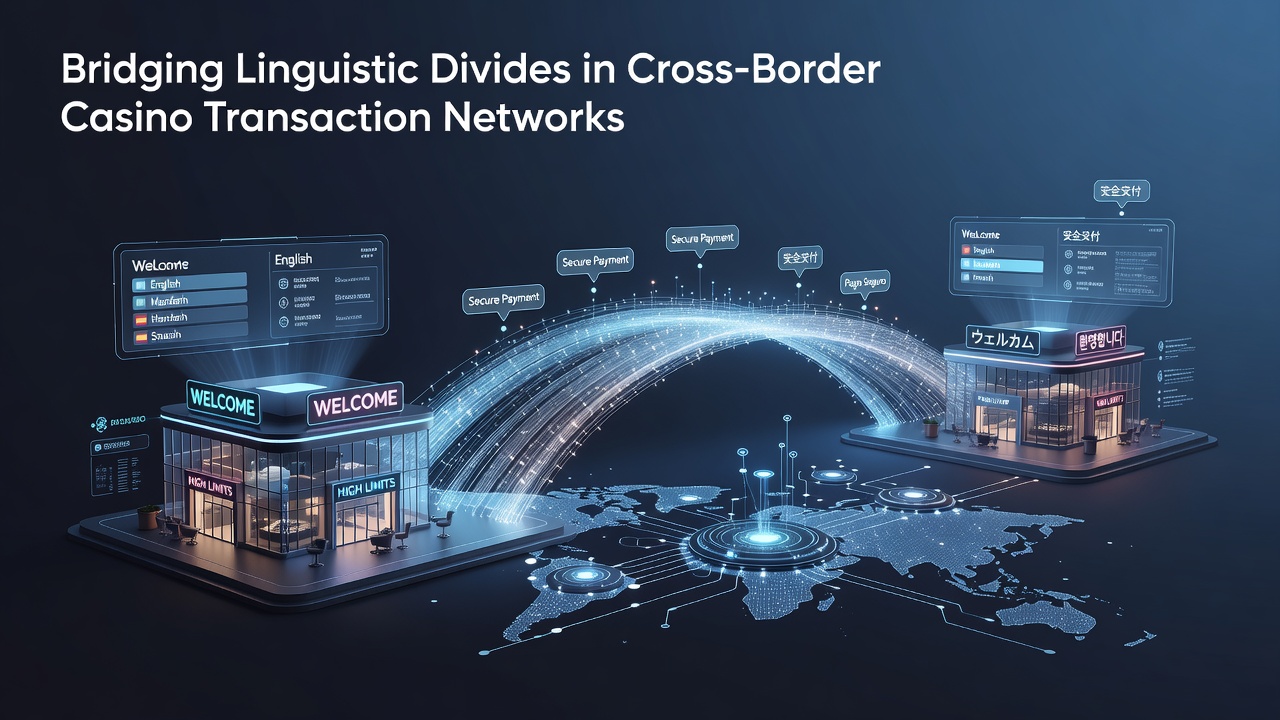
Cross-border casino transaction networks now handle billions in annual volume across dozens of jurisdictions, yet language differences continue to create friction in payment processing, regulatory compliance, and customer verification procedures. Operators must reconcile contract terms, banking instructions, and identity documents written in multiple languages while meeting deadlines that vary by region.
Regulatory Documentation and Multilingual Compliance
European Union member states require operators to submit transaction reports and anti-money-laundering filings in both the local language and English for cross-border review, a practice that expanded after the 2024 updates to the Payment Services Directive. Similar requirements appear in Canadian provincial frameworks and Australian state licensing conditions, where operators translate audit trails into at least two official languages before submission. Researchers tracking these filings note that translation delays average 48 hours per report when specialized financial terminology lacks direct equivalents across languages.
November 2026 brings a scheduled review of the Asia-Pacific Economic Cooperation digital trade standards, which include proposed templates for casino payment disclosures in English, Mandarin, Japanese, and Korean. Early drafts indicate that standardized glossaries for terms such as “chargeback,” “settlement cycle,” and “KYC verification” will be mandatory for participating jurisdictions starting in 2027.
Customer Interface and Payment Instruction Accuracy
Payment pages that serve users from multiple countries often rely on automated translation services to display deposit and withdrawal instructions. Studies of transaction error logs show that mistranslated currency symbols and decimal separators generate the highest volume of failed transfers, particularly when platforms convert between comma-based and period-based decimal notations common in different European and Latin American markets. Operators that maintain human-reviewed glossaries for each supported language report a 27 percent reduction in support tickets related to payment mismatches, according to data compiled by the International Betting Integrity Association.
Technical Solutions and Emerging Standards
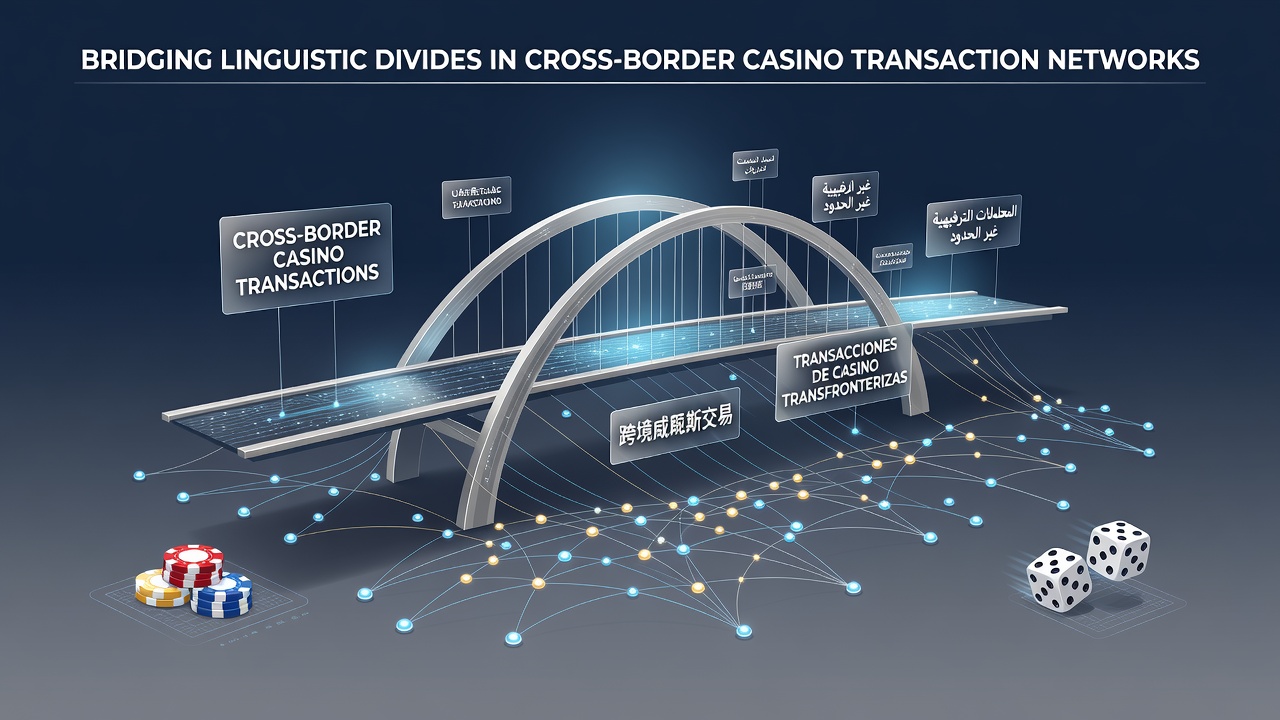
Blockchain-based settlement systems increasingly embed metadata tags that identify the original language of each transaction record, allowing downstream processors to route documents to native-language compliance teams without manual sorting. Several major payment gateways have adopted ISO 20022 messaging standards that support multiple language fields within a single transaction packet, reducing the need for separate translation files. Academic papers published by the University of Malta’s gaming technology research group in 2025 documented a 19 percent improvement in settlement speed when operators implemented these tagged metadata fields across their European and North American corridors.
Artificial intelligence models trained on financial regulatory corpora now flag terminology inconsistencies before transactions reach human reviewers. These systems compare source and target language versions against approved glossaries maintained by licensing authorities in Malta, Gibraltar, and the Isle of Man, generating alerts when a term deviates beyond predefined tolerance thresholds.
Support Infrastructure and Dispute Resolution
Live chat and email support teams handling cross-border casino payments require staff fluent in both the customer’s preferred language and the regulatory language of the operator’s license. Training programs that combine language certification with jurisdiction-specific payment rules have become standard at larger networks, because disputes involving translated withdrawal requests often hinge on precise wording of bonus terms or fee schedules. Data from the European Gaming and Betting Association shows that disputes resolved within the first 24 hours rise when support agents can reference side-by-side original and translated policy documents rather than relying solely on machine translation outputs.
Conclusion
Language remains a persistent variable in the infrastructure that moves funds between casino operators and players across borders. Continued adoption of standardized glossaries, tagged metadata, and reviewed translation workflows has measurably reduced processing errors and compliance delays, while upcoming 2026–2027 regulatory milestones are expected to accelerate these practices further. Operators that treat linguistic accuracy as a core component of transaction architecture rather than an afterthought continue to report smoother settlements and fewer regulatory queries across their international corridors.